
Irrigation Control
Automation in drip and micro-irrigation systems is rapidly transforming agriculture by enabling data-driven and resource-efficient
practices. CIMCON’s smart irrigation automation solutions provide water managers with real-time control, precise scheduling, and
IoT-based monitoring to optimize water and nutrient use. Whether managing lift irrigation systems or field-level drip networks, our
platform helps improve crop yield while conserving water, energy, fertilizer, labor, and time supporting sustainable farming through
SCADA-integrated irrigation management.
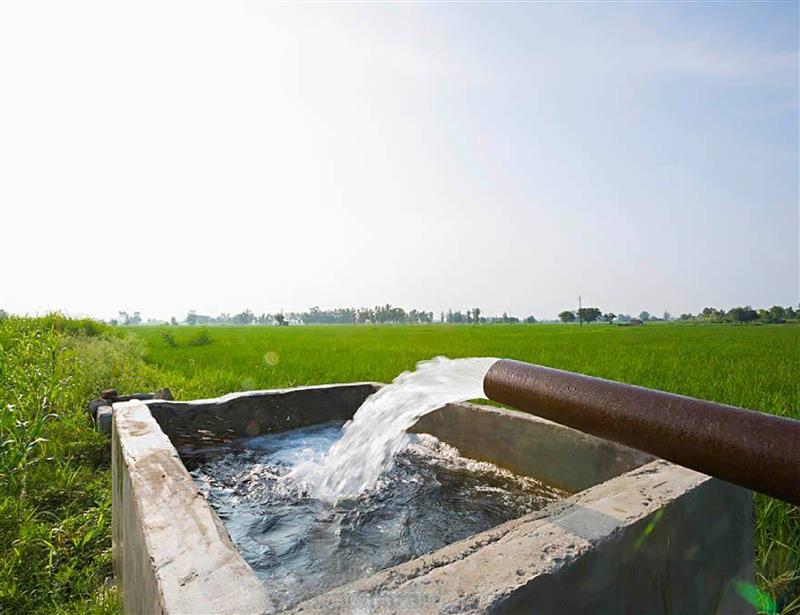
- Irregular water supply during peak demand
- Water loss due to traditional irrigation methods
- Delays caused by manual field monitoring
- Unavailability of water at the Chak level
- Uneven distribution at the Sub-Chak level
- Absence of tech-enabled systems
- Lack of data-driven decision-making
- Inefficient manual control
- High energy consumption
- No remote monitoring or alert mechanisms
CIMCON’s automated irrigation system requires minimal manual intervention. Almost every system (drip, sprinkler, surface) can be automated with the help of timers, sensors, and other technologies. This system enhances irrigation efficiency, ensures measured watering, and allows workers to focus on other critical farming tasks.
CIMCON solutions


Crop Management System

Irrigation Tube wells
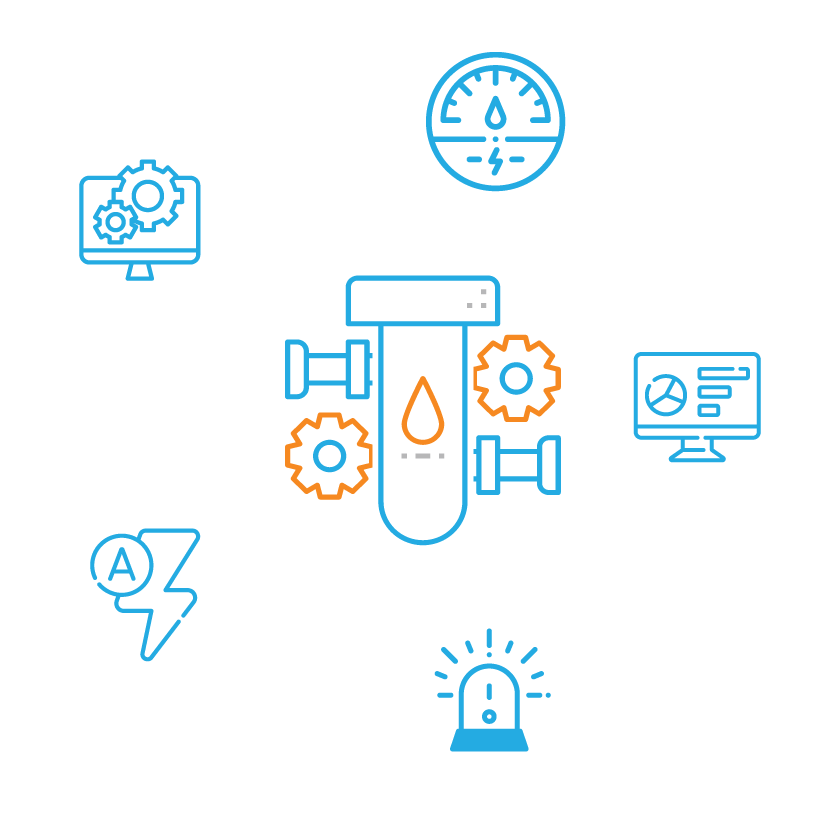





- Automated Gate operation
- Open API for third party System Integration
- Suitable to integrate with weather stations
- Artificial Intelligence based analytics
- Water demand prediction

Make it
Easier
Ensures precise coverage, eliminating concerns of over or under-watering
Use of water from different sources

Saves
Money
Increased efficiency in water and fertilizer use

Helps the
Environment
Preserves water
Increases crop yields

Strong
Foundation
Eliminates major manual operations
Possibility to change frequency of irrigation and optimize processes
System can be operated at night, thus minimizing water loss from evaporation
Irrigation process starts and stops exactly when required, thus optimising energy requirements
Case Studies
Irrigation Control FAQs: Smart Irrigation, Automation & Water Management
1. What is irrigation control automation?
Irrigation control automation uses sensors, controllers, and software systems to manage water distribution in agricultural or landscape irrigation. It ensures the right amount of water is delivered at the right time, improving efficiency and reducing wastage.
2. How does smart irrigation work?
Smart irrigation systems use real-time data such as soil moisture, weather conditions, and crop requirements to automatically adjust watering schedules. This helps optimize water usage and improve crop health.
3. What are the benefits of automated irrigation systems?
Automated irrigation systems reduce water wastage, improve crop yield, lower labor costs, and ensure consistent irrigation. They also help in efficient resource management and sustainable farming practices.
4. Can irrigation systems be monitored and controlled remotely?
Yes, modern irrigation systems can be remotely monitored and controlled using IoT-enabled devices and cloud-based platforms. Farmers and operators can manage irrigation schedules and system performance from anywhere.
5. What role do sensors play in irrigation control?
Sensors such as soil moisture sensors, weather sensors, and flow meters provide real-time data to the system. This data helps in making accurate irrigation decisions and optimizing water usage.
6. How does automation help in water conservation in irrigation?
Automation ensures water is applied only when needed and in the required quantity. By avoiding over-irrigation and reducing runoff, it significantly improves water conservation.
7. Is irrigation automation suitable for large-scale farming?
Yes, irrigation automation is highly scalable and suitable for large farms, plantations, and agricultural estates. It helps manage multiple zones efficiently and reduces manual effort.
8. Can existing irrigation systems be upgraded with automation?
Yes, traditional irrigation systems can be retrofitted with automation solutions. This allows farmers to enhance efficiency and adopt smart irrigation without replacing existing infrastructure.
9. What communication technologies are used in smart irrigation systems?
Smart irrigation systems use communication technologies such as LoRa, NB-IoT, LTE, and RF for reliable data transmission across fields and remote locations.
10. How does irrigation automation improve crop productivity?
By delivering precise amounts of water based on crop needs and environmental conditions, automation helps maintain optimal soil moisture levels, leading to healthier crops and improved yields.
11. Is irrigation control part of smart agriculture?
Yes, irrigation control is a key component of smart agriculture. It integrates with digital farming technologies to improve efficiency, sustainability, and overall farm management.
12. What is the ROI of irrigation automation systems?
The ROI comes from reduced water usage, lower labor costs, improved crop yield, and efficient resource utilization. Over time, it leads to higher profitability and sustainable farming operations.