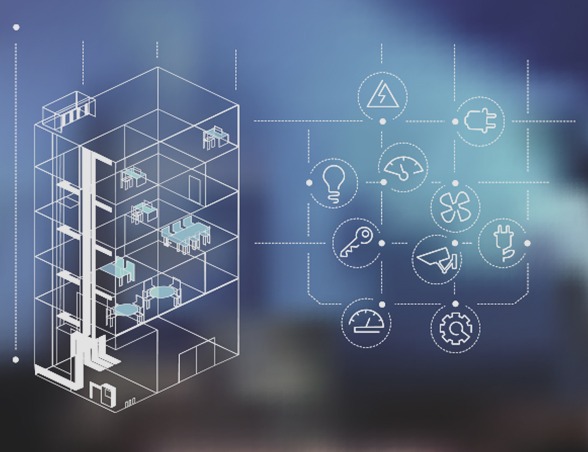
Building Management Solutions: HVAC Monitoring
Our Building Management solution offers advanced HVAC monitoring, providing real-time insights and control to ensure optimal climate conditions within any facility. For businesses looking to optimize operations efficiently—similar to how one might hausarbeit schreiben lassen to save time—our system is designed to enhance energy efficiency, comfort, and safety. It seamlessly integrates with existing infrastructure, delivering a smarter, more sustainable approach to building management.

CIMCON’s BMS monitors the electrical assets of the building to upgrade operations and provides seamless and efficient operation of the HVAC system including chiller plant & AHUs. It offers provisions for effectively monitoring and analyzing energy performance as per the manufacturer’s design. It has a multi-user BMS software with a web-based server license for Building Automation solutions with an additional energy management module which ensures energy efficiency and maintenance while also possessing capabilities of dynamic graphics.
Make it
Easier
Saves
Money
Provides
Security
Strong
Foundation
- Google Map Interfaces
- Data Reports
- Configuration
- On line trends
- Pop up alerts
- The Sensors, field devices and parameters that can be integrated in CIMCON Building Management System:
- Immersion Temp Sensor for Chilled water (CHW) line
- Outside Temperature and Humidity Sensor
- Water differential Pressure Switches for water pumps
- Water Pressure Transmitter
- Air Differential Pressure Switch DP for monitoring Blower, fan & Filter Status
- Duct Type Temperature & RH Sensor
- Water Level Switch
- Air Pressure Transmitter
- Digital Energy Meters
HVAC Monitoring FAQs: Digitalization& Operations Management
1. What is HVAC monitoring in building management systems?
HVAC monitoring refers to the use of sensors, controllers, and software platforms to track and control heating, ventilation, and air conditioning systems in real time. It helps maintain indoor comfort while optimizing energy usage.
2. How does a building management system (BMS) improve HVAC operations?
A BMS provides centralized control and monitoring of HVAC systems. It enables operators to track performance, adjust settings, and ensure efficient operation across the building.
3. What are the benefits of HVAC automation?
HVAC automation improves energy efficiency, reduces operational costs, enhances occupant comfort, and enables predictive maintenance. It also minimizes manual intervention and improves system reliability.
4. Can HVAC systems be monitored remotely?
Yes, modern HVAC systems can be remotely monitored and controlled using IoT-enabled platforms. Facility managers can access real-time data and manage system performance from anywhere.
5. How does HVAC monitoring help reduce energy consumption?
HVAC monitoring systems optimize temperature settings, airflow, and operating schedules based on real-time conditions. This reduces unnecessary energy usage and improves overall efficiency.
6. What role do sensors play in HVAC monitoring systems?
Sensors measure parameters such as temperature, humidity, air quality, and occupancy. This data helps in making accurate adjustments to maintain optimal indoor conditions.
7. Is HVAC monitoring suitable for all types of buildings?
Yes, HVAC monitoring solutions are scalable and suitable for commercial buildings, hospitals, data centers, industrial facilities, and residential complexes.
8. What is the ROI of HVAC monitoring solutions?
The ROI comes from reduced energy costs, improved operational efficiency, lower maintenance expenses, and enhanced occupant comfort. Over time, it leads to significant cost savings.