Pipeline SCADA
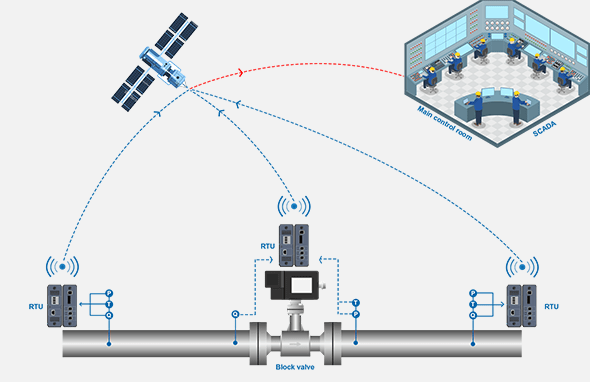
Our Pipeline SCADA system is designed to provide real-time monitoring and control of pipeline operations, ensuring the safe and efficient transport of oil and gas. For companies looking to hausarbeiten schreiben lassen on industrial automation, it integrates seamlessly with existing infrastructure, offering a secure, distributed platform that enables continuous supervision across remote environments.

WebSCANET
WebSCANET is modern SCADA that easily integrates with other systems and technologies from a distributed remote environment to the central site. Ensures safe and efficient monitoring and control of critical oil and gas pipeline operations. Works real-time with a distributed secure platform. Features a distributed client-server architecture that provides flexibility, extensibility and reliability. Supervision that ensures an uninterrupted flow of oil or gas along with necessary return on assets (ROA).
Superior Management of Parameters
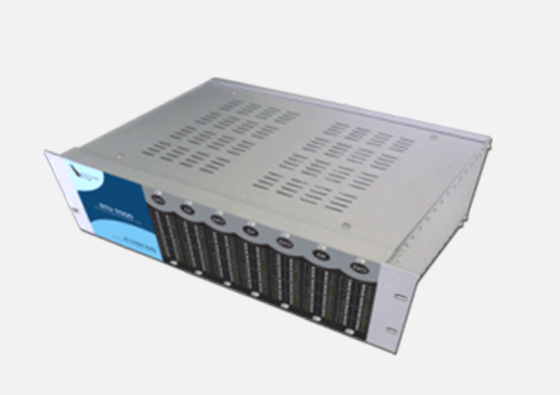
Configure, monitor, and acquire various pipeline parameters in a secured manner. Provides high availability computing solution. Multiple ports for various Serial, Ethernet enabled instruments and I/O interface.

Ease of Data Accessibility
Email and Short messaging service for alarm notifications enables users to monitor the pipeline parameters on a real-time basis from anywhere in the world.
Accurate Data Analysis
Based on historical trends and multiple spreadsheets, reports derived from this system improve the data analysis process.


- Monitors time stamped data, faults from RTU
- Remote configuration of RTU parameters
- Multiple Open Protocol compatibility for all types of sensors, devices and third party interface
- Fully configurable MODBUS addresses in addition to other open protocols
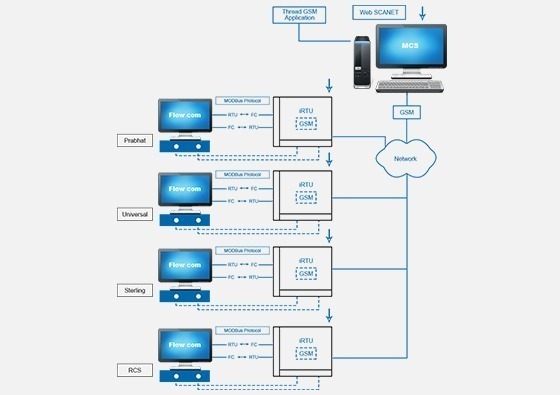
- iRTU supports several industry standard protocols that integrates with any network
- User-programmable MS Excel spreadsheet report generator software
- SCADA communication via wired/ wireless communication network
- Ensures prompt responsiveness – saving valuable time and minimizing operational disruption
- Flow Computer data collection on demand
Make it
Easier
Saves
Money
Longevity – reduced maintenance and operating costs
Provides
Security
Strong
Foundation
High degree of scalability
Flexible field communications
Pipeline SCADA FAQs: Digitalization, SCADA & Operations Management
1. What is Pipeline SCADA?
Pipeline SCADA is a system used to monitor and control pipeline operations in real time. It integrates sensors, RTUs, and communication networks to provide visibility into parameters such as pressure, flow, and temperature.
2. How does SCADA help in pipeline monitoring?
SCADA systems enable continuous monitoring of pipeline conditions. They provide real-time data, alerts, and control capabilities, helping operators detect issues early and maintain safe operations.
3. What are the key benefits of Pipeline SCADA systems?
Pipeline SCADA systems improve operational efficiency, enhance safety, enable real-time decision-making, reduce downtime, and ensure better control over distributed pipeline networks.
4. How does Pipeline SCADA support leak detection?
SCADA systems monitor flow and pressure data to identify anomalies that indicate potential leaks. Early detection helps prevent losses, environmental damage, and safety risks.
5. Can pipeline operations be monitored remotely using SCADA?
Yes, SCADA systems allow operators to monitor and control pipelines remotely. This is especially important for pipelines that span long distances and remote locations.
6. What role do RTUs play in Pipeline SCADA systems?
RTUs collect data from field instruments and transmit it to central SCADA systems. They enable real-time monitoring and control of pipeline assets, even in remote environments.
7. How does SCADA improve safety in pipeline operations?
SCADA systems provide real-time alerts and automated control actions in case of abnormal conditions. This helps prevent accidents, reduce risks, and ensure safe pipeline operations.
8. What is the ROI of Pipeline SCADA solutions?
The ROI comes from improved operational efficiency, reduced downtime, enhanced safety, and minimized losses due to leaks or failures. Over time, it leads to significant cost savings.