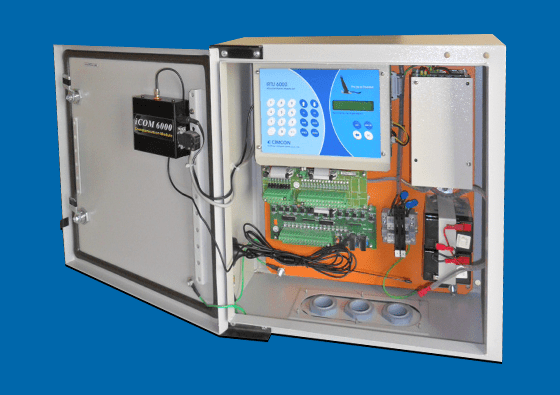
Matching the oil inflow with pump displacement through iRTU
CIMCON’s IRTU intelligently adjusts the pump-off time to maintain optimal fluid levels, preventing fluid pounding. This pump-off time can be easily set or modified remotely. CIMCON’s solution also offers automatic start and stop of the pump based on liquid levels, using advanced Artificial Intelligence algorithms without the need for sensors to measure the liquid, ensuring efficient and reliable operation.
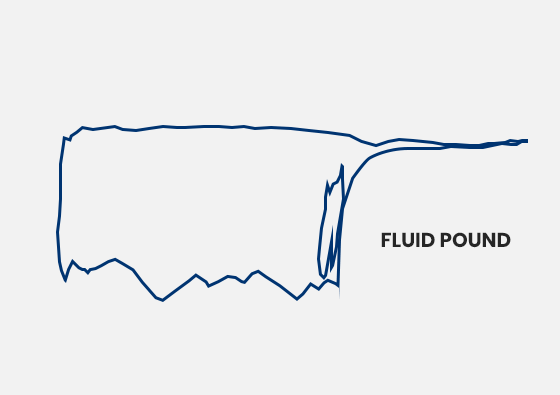
Monitoring & controlling the downhole characteristics through Dynacard
With real-time surface and downhole dynamometer plots, daily gauging, and fault and event logging, users can effortlessly monitor multiple fields simultaneously from virtually anywhere in the world.
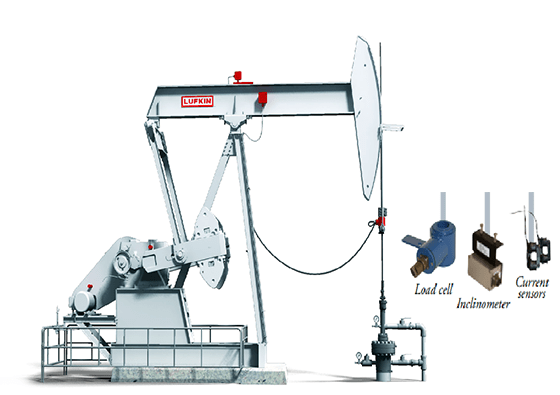
Configure I/O points through iRTU
The iRTU accepts feedback from a load cell, inclinometer, and current sensors to measure rod load, rod position, and motor torque apart from other sensor parameters. Wireless, radio, cellular, and satellite options allow remote telemetry.