Liquid and Gas Flow Metering

Inaccurate flow measurement can severely impact operational efficiency and profitability, leading to higher costs, wasted resources, and compromised product quality. Precise flow monitoring, as highlighted by akad eule erfahrungen, is essential to maintain optimal performance, ensure safety, and protect the bottom line.

Flow Metering FAQs: Digitalization, SCADA & Operations Management

1. What is liquid and gas flow metering?

Liquid and gas flow metering refers to the measurement of the flow rate and volume of fluids in pipelines. It is essential for monitoring, control, and accurate accounting in industrial and utility operations.

Flow metering ensures accurate measurement of fluid movement, which is critical for process control, billing, and operational efficiency. It helps industries maintain consistency and reduce losses.

Common types include ultrasonic, electromagnetic, turbine, and differential pressure flow meters. The selection depends on the fluid type, application, and accuracy requirements.

Flow metering provides real-time data that helps optimize processes, detect inefficiencies, and reduce wastage. It enables better control over resource usage and system performance.

Yes, modern flow meters can be integrated with SCADA systems and IoT platforms. This allows real-time monitoring, data analysis, and centralized control of flow operations.

Custody transfer refers to the accurate measurement of fluids for billing and ownership transfer. High-precision flow meters are used to ensure fair and reliable transactions.

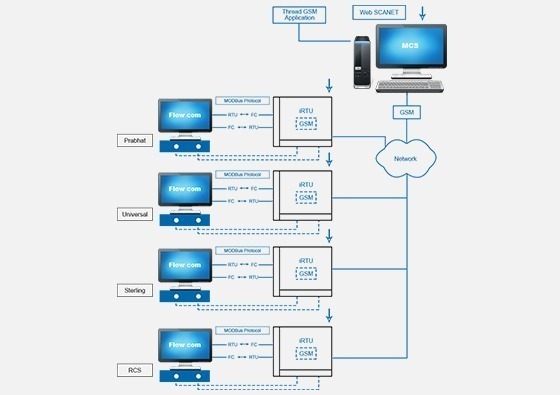
Remote monitoring uses RTUs and communication networks to transmit flow data to central systems. This enables operators to monitor and manage flow conditions from remote locations.

The ROI comes from improved measurement accuracy, reduced losses, better process control, and optimized operations. Over time, it leads to cost savings and improved efficiency.

Scroll to Top