
Water Generation
Amid growing water scarcity, it is essential for water boards to adopt advanced technologies that ensure both conservation and
control. CIMCON’s aquaSCANET is a smart water SCADA solution that enables remote monitoring of pumps, valves, and flow meters,
helping minimize water pilferage, reduce energy consumption, and improve distribution efficiency through IoT-based automation
and telemetry integration.

Unsustainable water usage has led to reduced crop yields.

Ageing infrastructure has led to management challenges.

Conventional water generation techniques cannot be mapped well to the growing needs of the world.

Reduced ground water levels.

Surface water is not properly channelized.

Gap between actual water generation vs water demand.
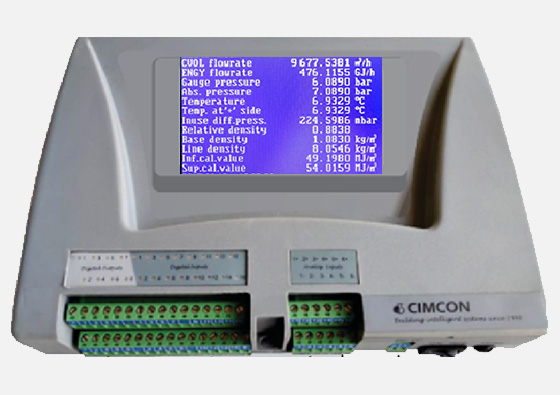
CIMCON’s customized SCADA solutions for water generation systems provide remote monitoring and control of bore-wells, enabling real-time logging and analysis of key electrical and mechanical parameters such as voltages, currents, overload, discharge pressure, flow rates, valve operation, interlocks, and bearing temperatures. These solutions also offer standalone control to ensure the safe operation of bore-wells, minimizing outages and ensuring a continuous supply of potable water for districts, municipalities, and villages, including tube wells, rainy wells, and percolation wells.
- Scattered Water Generation sites can be controlled & operated from one point thereby reducing dependency on manpower.
- Required instruments can be connected to the RTU and data can be recorded in the Web-based SCADA software.
- Remote sites can be connected using various modes of communication like GSM / GPRS, Radio Frequency (RF), Narrow Band-Internet of Things (NB-IoT), Satellite (Vsat), Fibre Optic, Serial Communication (RS 232 / RS 485 & Ethernet), etc.

Make it
Easier

Saves
Money
Reduction in downtime and maintenance costs
Reduction in operation costs

Helps the
Environment

Strong
Foundation
Improved and/or consistent product quality
Increased productivity
Use of manpower in other value creating activities
Greater customer satisfaction and brand leverage
Case Studies
Smart Water Generation FAQs: Automation, SCADA & Sustainable Water Solution
1. What is water generation technology?
Water generation technology refers to systems that produce water from sources such as air (atmospheric water generation), groundwater, or desalination processes. These systems are designed to provide a reliable and sustainable water supply in areas facing water scarcity.
2. How does atmospheric water generation (AWG) work?
Atmospheric water generation systems extract moisture from the air through condensation. The collected water is then filtered and treated to make it suitable for drinking or industrial use.
3. What are the benefits of water generation systems?
Water generation systems provide an independent water source, reduce dependency on traditional supply networks, and are ideal for remote or water-scarce regions. They also support sustainability by utilizing renewable sources like atmospheric humidity.
4. Can water generation systems be automated?
Yes, modern water generation systems can be fully automated using sensors, controllers, and SCADA platforms. Automation helps optimize performance, monitor system health, and ensure consistent output quality.
5. How is remote monitoring used in water generation systems?
Remote monitoring enables operators to track system performance, water output, environmental conditions, and equipment status in real time. This is particularly useful for distributed or unmanned installations.
6. What role do RTUs play in water generation solutions?
RTUs (Remote Terminal Units) collect and transmit data from field equipment to central systems. They enable real-time monitoring, control, and communication, even in remote or challenging environments.
7. Is water generation suitable for industrial and municipal applications?
Yes, water generation systems are scalable and can be used across industries such as oil & gas, power, infrastructure, and for municipal water supply in remote or underserved areas.
8. How does automation improve efficiency in water generation systems?
Automation optimizes system operations by continuously monitoring environmental and operational parameters. It helps reduce energy consumption, prevent failures, and ensure consistent water production.
9. What factors affect water generation performance?
Performance depends on factors such as humidity, temperature, energy availability, and system design. Higher humidity levels generally result in better water generation efficiency.
10. Can water generation systems operate in remote locations?
Yes, these systems are designed for remote deployments and can operate with minimal human intervention. With IoT-enabled monitoring and control, operators can manage systems from centralized locations.
11. How is water quality maintained in water generation systems?
Generated water undergoes filtration and purification processes to meet required quality standards. Continuous monitoring ensures that the output remains safe and compliant.
12. What is the ROI of water generation systems?
The ROI comes from reduced dependency on external water sources, lower transportation costs, and improved reliability. Over time, it provides a sustainable and cost-effective water supply solution.