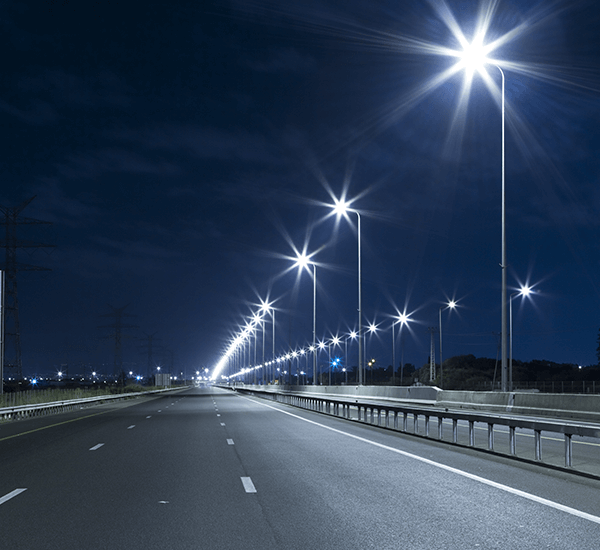
Highway Smart Lighting

Safety and energy savings are major concerns for a city’s ring roads, state highways, and national highways, making it essential to optimize highway lighting due to its significant energy consumption. CIMCON’s Smart Highway Lighting Systems allow cities to save energy, reduce emissions, minimize light pollution, and lower operations and maintenance costs, all while ensuring that citizens feel safe and satisfied. For those researching such innovations, a reliable bwl hausarbeit ghostwriter can help analyze the economic benefits of these smart lighting solutions.

Highway Smart Lighting Automation FAQs: Systems, Benefits & Technology

1. What is highway smart lighting?

Highway smart lighting is an advanced lighting system designed for highways and expressways that uses IoT, sensors, and centralized control to manage lighting operations efficiently and ensure road safety.

Smart lighting improves visibility for drivers by maintaining optimal illumination levels. It can adjust brightness based on traffic conditions and detect faults in real time, reducing risks and improving safety.

Highway smart lighting systems reduce energy consumption, lower maintenance costs, improve operational efficiency, and enhance safety. They also provide better control over large-scale lighting networks.

Yes, highway smart lighting systems can be remotely monitored and controlled using centralized platforms. Operators can manage lighting performance, detect faults, and optimize operations from a control center.

Centralized control systems allow operators to monitor and manage thousands of streetlights across long highway stretches. They enable scheduling, dimming, fault detection, and performance analysis.

Automation enables dynamic control of lighting based on predefined schedules or real-time conditions. It reduces manual intervention and ensures consistent lighting performance across highways.

Highway smart lighting systems use communication technologies such as NB-IoT, LoRa, RF, LTE, and PLC to ensure reliable connectivity across long distances and remote areas.

Yes, existing highway lighting systems can be upgraded with smart controllers and communication modules. This allows infrastructure owners to enhance performance without complete replacement.

Smart lighting systems optimize energy usage through dimming, scheduling, and adaptive lighting based on traffic patterns. This significantly reduces electricity consumption.

Yes, highway smart lighting is an important component of smart infrastructure projects. It supports efficient transportation systems and integrates with broader smart city initiatives.

Smart systems provide real-time alerts for faults and failures, allowing maintenance teams to quickly identify and resolve issues. This reduces downtime and operational costs.

The ROI comes from reduced energy costs, lower maintenance expenses, improved safety, and enhanced operational efficiency. Large-scale deployments deliver significant long-term savings.

Scroll to Top