
Sewage Management
Sewage Treatment demands high precision, safety, and continuous monitoring to ensure environmental compliance and public
health. CIMCON’s advanced STP automation solutions empower utilities and industries with intelligent, real-time control over the
entire wastewater management process. Through IoT-based monitoring, SCADA integration, and automated analytics, our
systems enhance operational efficiency, reduce manual intervention, and deliver consistent treatment quality — supporting
smarter, more sustainable wastewater infrastructure.

High Energy Consumption

Shortage of Manpower

Negative Impact on Environment
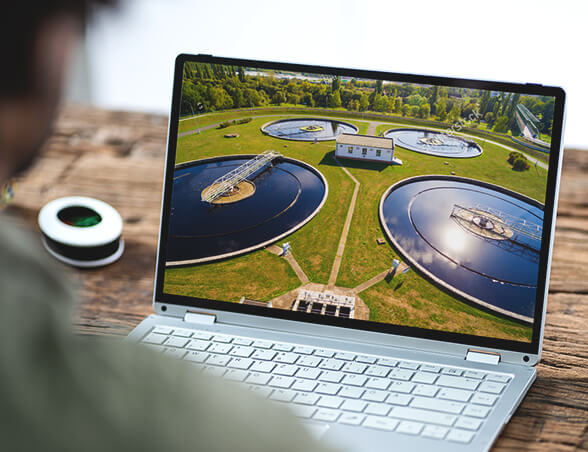
CIMCON’s automation solutions provide remote monitoring and control of sewage pumping stations, enhancing the effectiveness of city sanitation systems. The aquaSCANET from CIMCON leverages advanced automation technology for efficient water resource management. It optimizes sewage handling by scheduling peak and off-peak operations of sewage pumps, thereby minimizing energy consumption. CIMCON’s solutions are also compatible with various treatment processes, including MBBR (Moving Bed Biofilm Reactor), SBR (Sequencing Batch Reactor), and ETP (Effluent Treatment Plants).
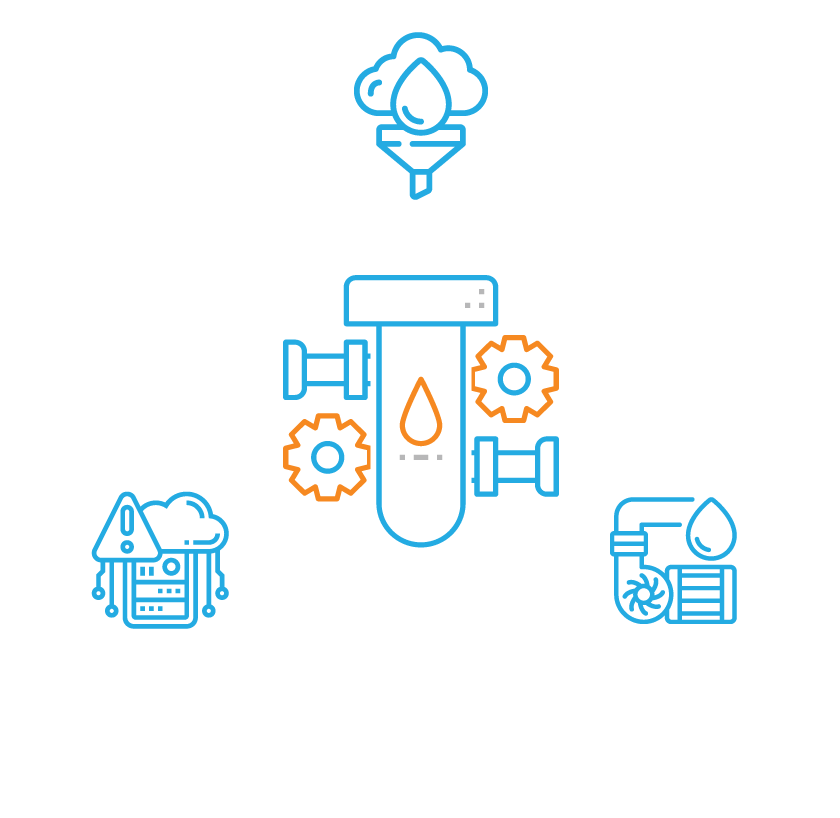



- Automatic operation of pumping stations based on level
- Artificial Intelligence based prediction of inflow
- Remote monitoring and control of entire process

Make it
Easier
Constant access to data and ongoing sampling

Saves
Money
Lower energy costs
Reduced energy consumption

Helps the
Environment
Reduced need for chemical additives
Efficient use of chemicals
Less solid waste
Smaller environmental footprint from wastewater treatment plants

Strong
Foundation
Automation puts less stress on existing workers
Case Studies
Sewage Management FAQs: Automation, SCADA & Wastewater Monitoring
1. What is sewage management?
Sewage management involves the collection, monitoring, and treatment of wastewater from residential, commercial, and industrial sources. It ensures safe disposal or reuse of wastewater while protecting public health and the environment.
2. How does automation improve sewage management systems?
Automation enables real-time monitoring and control of sewer networks, pumping stations, and treatment processes. It helps reduce manual intervention, prevent system failures, and improve overall operational efficiency.
3. What is the role of SCADA in sewage management?
SCADA systems provide centralized monitoring and control of sewage infrastructure. Operators can track parameters such as flow levels, pump status, and tank levels, enabling faster response to blockages, overflows, and equipment issues.
4. How can sewer overflows be prevented?
Sewer overflows can be prevented through continuous monitoring of flow and levels. Automation systems generate alerts for abnormal conditions, allowing timely intervention and reducing environmental risks.
5. Can sewage systems be monitored remotely?
Yes, modern sewage management systems can be remotely monitored and controlled using IoT-enabled RTUs and cloud-based platforms. This is especially useful for distributed sewer networks and remote pumping stations.
6. What role do RTUs play in sewage management?
RTUs (Remote Terminal Units) collect data from field devices such as level sensors and pumps and transmit it to central systems. They enable real-time monitoring, control, and reliable communication across sewage networks.
7. How does automation help in reducing operational costs?
Automation reduces the need for manual inspections, minimizes downtime, and optimizes pump operations. This leads to lower energy consumption, reduced maintenance costs, and improved resource utilization.
8. How is wastewater quality monitored in sewage systems?
Sensors and monitoring systems track parameters such as flow, level, and other critical indicators. This ensures proper treatment and compliance with environmental regulations.
9. Is sewage management automation suitable for smart cities?
Yes, sewage management automation is a critical component of smart city infrastructure. It enables efficient wastewater handling, reduces environmental impact, and improves service reliability.
10. Can existing sewage infrastructure be upgraded with automation?
Yes, existing sewage systems can be retrofitted with automation solutions. This allows utilities to enhance performance, gain real-time visibility, and extend the life of infrastructure.
11. What are the benefits of sewage management automation?
Sewage management automation improves efficiency, reduces overflow risks, lowers operational costs, enhances compliance, and ensures better environmental protection.
12. How does automation support environmental compliance?
Automation systems continuously monitor operations and maintain data logs for reporting. Alerts and control mechanisms ensure that wastewater handling meets regulatory standards consistently.