Digital Twin Technology
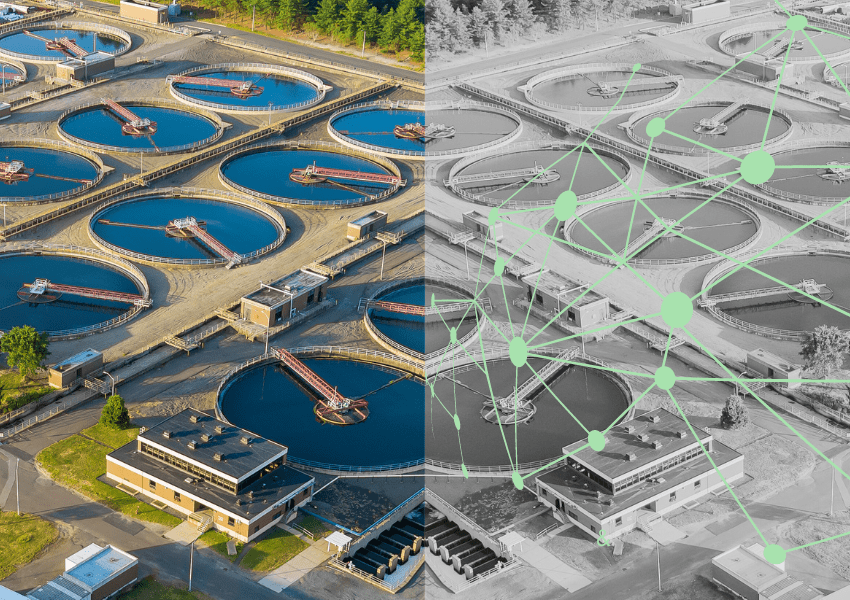
Digital Twin technology enables water utilities to create a real-time virtual representation of physical water infrastructure for intelligent monitoring, predictive analytics, and operational optimization. CIMCON’s Digital Twin platform integrates SCADA systems, IoT sensors, AI/ML analytics, and centralized dashboards to provide live visibility across water treatment plants, pump houses, and distribution networks. By transforming operational data into actionable intelligence, the platform helps utilities reduce non-revenue water (NRW), optimize energy consumption, improve maintenance efficiency, and deliver reliable 24×7 water supply.

- High non-revenue water (NRW) losses
- Rising energy costs
- Reactive maintenance operations
- Manual operational decision-making
- Siloed infrastructure data
- Limited predictive insights
- Aging water infrastructure
- Unplanned equipment failures
- Lack of system-wide optimization
- Pressure to ensure 24×7 water supply
CIMCON’s Digital Twin platform transforms conventional water infrastructure into an intelligent, connected ecosystem through real-time monitoring, AI-driven analytics, and predictive operational insights. By integrating SCADA, IoT sensors, and centralized visualization, the platform helps utilities optimize water distribution, reduce non-revenue water (NRW), improve energy efficiency, and enable smarter, data-driven infrastructure management.
CIMCON solutions

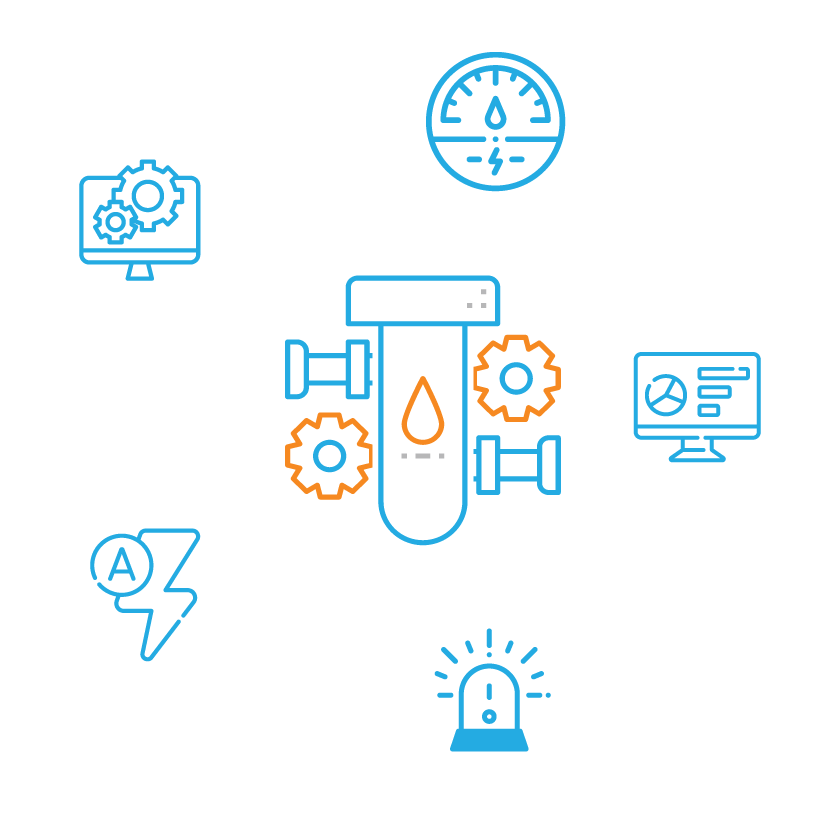
Automated alerts & reporting

AI-driven predictive analytics

Real-time Digital Twin monitoring

Centralized command dashboard

Water demand forecasting

- Real-Time Operational KPI Monitoring
- Centralized Visualization Dashboard
- Pressure Optimization & NRW Management
- Water Demand Forecasting
- AI/ML-Based Predictive Analytics
Improves
Operational
Efficiency
- Real-time infrastructure visibility
- Faster operational decisions
- Reduced manual interventions

Reduces
Water
Losses
- Early leak & burst detection
- NRW reduction through AI analytics
- Improved pressure management
Optimizes
Energy
Usage
- Intelligent pump scheduling
- Energy-efficient operations
- Reduced pumping costs
Enables
Predictive
Operations
- Predictive maintenance alerts
- Reduced repair costs
- Increased asset lifespan
Case Studies
Irrigation Control FAQs: Smart Irrigation, Automation & Water Management
1. What is a Digital Twin for Water Utilities?
A Digital Twin is a real-time virtual representation of physical water infrastructure that combines SCADA, IoT sensors, AI analytics, and operational data to monitor, simulate, and optimize utility operations.
2. How does a Digital Twin improve water distribution?
The platform enables real-time monitoring, demand forecasting, pressure optimization, and intelligent decision-making to ensure more reliable and equitable water distribution.
3. Can the Digital Twin platform reduce non-revenue water (NRW)?
Yes. AI-driven analytics help detect abnormal flow patterns, leaks, pipe bursts, and unauthorized consumption, helping utilities significantly reduce NRW losses.
4. Does the solution support predictive maintenance?
Yes. The platform continuously analyzes operational and equipment data to predict failures early, reduce downtime, and improve asset lifespan.
5. Can the platform integrate with existing SCADA systems?
Yes. CIMCON’s Digital Twin platform integrates seamlessly with existing SCADA systems, IoT devices, legacy infrastructure, and third-party data sources.
6. What are the key benefits of a Digital Twin platform?
The platform improves operational visibility, reduces energy consumption, lowers maintenance costs, enhances decision-making, and supports smarter water infrastructure management.
7. Does the platform provide real-time monitoring?
Yes. The solution offers centralized real-time monitoring of pump houses, treatment plants, distribution networks, sensors, and operational KPIs through a unified dashboard.
8. Which applications can use the Digital Twin platform?
The platform can be used for water treatment plants, water distribution systems, pumping stations, reservoir monitoring, pressure management, and smart water infrastructure projects.