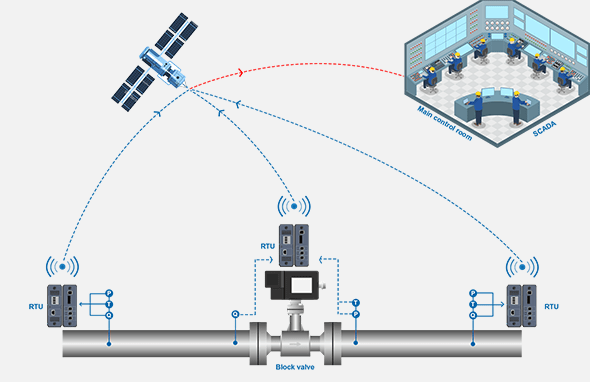
WebSCANET
WebSCANET is modern SCADA that easily integrates with other systems and technologies from a distributed remote environment to the central site. Ensures safe and efficient monitoring and control of critical oil and gas pipeline operations. Works real-time with a distributed secure platform. Features a distributed client-server architecture that provides flexibility, extensibility and reliability. Supervision that ensures an uninterrupted flow of oil or gas along with necessary return on assets (ROA).
Superior Management of Parameters
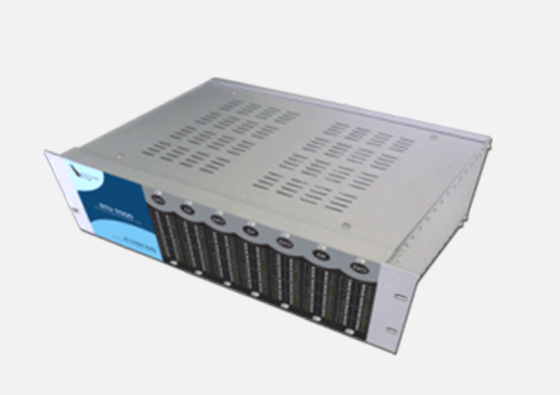
Configure, monitor, and acquire various pipeline parameters in a secured manner. Provides high availability computing solution. Multiple ports for various Serial, Ethernet enabled instruments and I/O interface.

Ease of Data Accessibility
Email and Short messaging service for alarm notifications enables users to monitor the pipeline parameters on a real-time basis from anywhere in the world.
Accurate Data Analysis
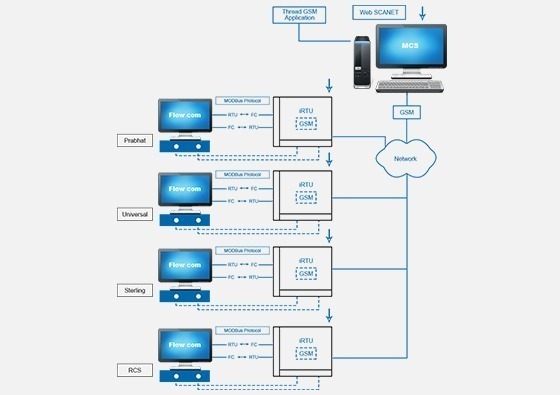
Based on historical trends and multiple spreadsheets, reports derived from this system improve the data analysis process.